
 Health Benefits
Glowing Skin from the Inside Out
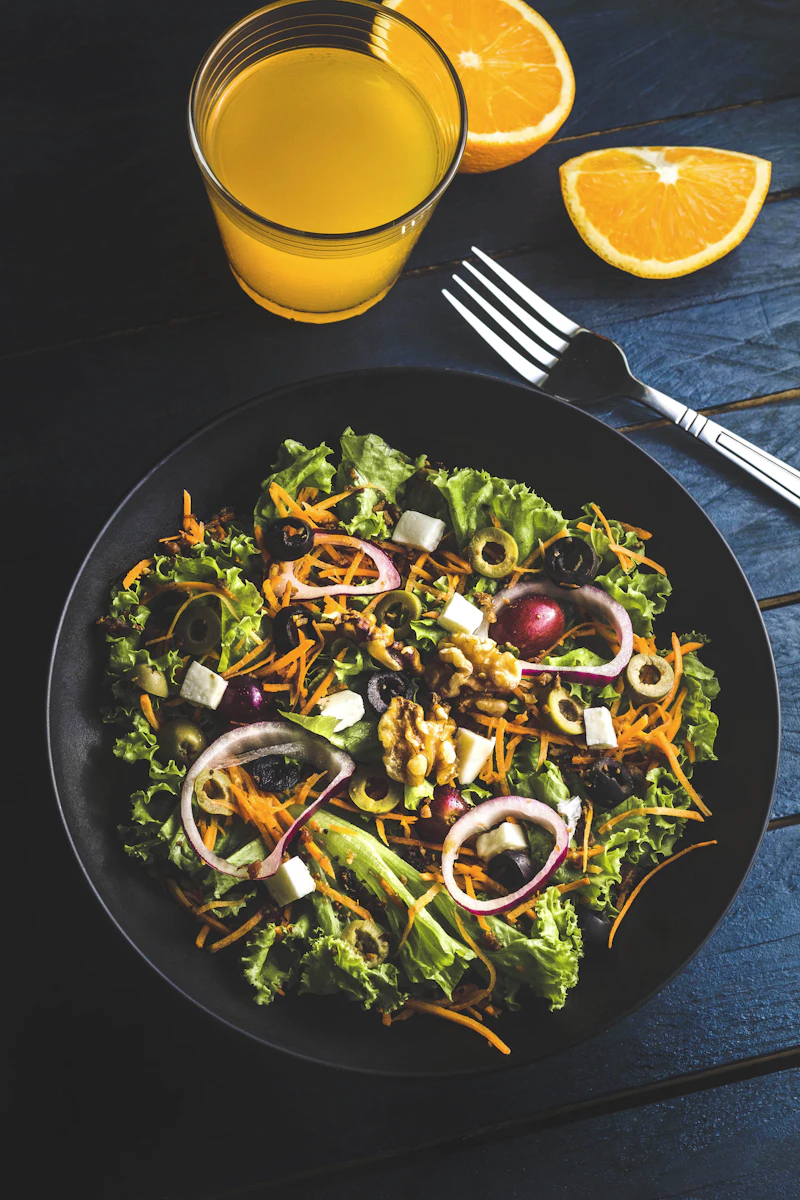
The secret to radiant skin isn't just in your creams — it's in the antioxidants you drink.
Read more

Ruby Juice Team
Author
Share this article:
Why orange, lemon, and grapefruit juices are your best defense against seasonal flu and fatigue.
Of all the micronutrients essential to a functioning immune system, vitamin C (ascorbic acid) is arguably the most critical — and the most misunderstood. It is not a cure for the common cold (though it can shorten its duration), nor is it effective only during flu season. Vitamin C is a daily-use nutrient that supports immune defence at multiple levels, and the human body's complete inability to produce or store it makes consistent dietary intake essential.
This limitation is unusual in the animal kingdom. Most mammals synthesise their own vitamin C from glucose. Humans, along with guinea pigs and most other primates, lost this ability due to a genetic mutation — the inactivation of the GULO gene — approximately 40 to 63 million years ago. Our ancestors compensated by eating a diet extremely rich in raw fruits and plants. The modern shift away from fresh produce has left many people in a state of subclinical vitamin C insufficiency that quietly undermines immune resilience throughout the year.
According to the National Institutes of Health (NIH), adult men need 90 mg of vitamin C daily and adult women need 75 mg. Smokers require an additional 35 mg. Yet studies consistently show that a significant portion of adults in developed countries consume less than the recommended amount.
Vitamin C supports immune function through several distinct, well-documented mechanisms:
**Stimulating White Blood Cell Production:** Vitamin C enhances the production and function of lymphocytes (B and T cells) and phagocytes — the white blood cells that identify and destroy pathogens. It also accumulates at high concentrations inside immune cells, protecting them from oxidative damage caused by their own free-radical-generating attack processes. A comprehensive review published in Nutrients confirmed that vitamin C supplementation significantly enhanced both innate and adaptive immune responses.
**Antioxidant Protection:** When immune cells attack pathogens, they generate reactive oxygen species (free radicals) as part of the inflammatory response. If unchecked, these free radicals damage the immune cells themselves. Vitamin C, as a potent antioxidant, quenches these free radicals and regenerates other antioxidants (particularly vitamin E), maintaining the integrity of immune cells throughout the battle.
**Strengthening the Skin Barrier:** The skin is your body's first line of defence against pathogens. Vitamin C is essential for collagen synthesis — the structural protein that gives skin its thickness and physical integrity. Research published in the American Journal of Clinical Nutrition found that higher vitamin C intake was strongly associated with lower rates of skin infections and wrinkle formation.
**Shortening Illness Duration:** A landmark meta-analysis of 29 randomised controlled trials published in the Cochrane Database of Systematic Reviews found that regular vitamin C supplementation reduced the duration of cold symptoms by 8% in adults and 14% in children. More significantly, in groups under high physical stress (marathon runners, soldiers in subarctic conditions), vitamin C supplementation reduced cold incidence by 50%.
**Supporting the Stress Response:** Vitamin C is found in especially high concentrations in the adrenal glands and is consumed rapidly during periods of physical or psychological stress. Chronic stress — a defining feature of modern life — accelerates vitamin C depletion, which in turn suppresses immune function. This is one reason why people tend to fall ill after periods of intense work, travel, or emotional strain.
Citrus fruits are the most well-known sources, but they are not the highest. Here are the top fruit sources of vitamin C, with approximate values per 100g:
A single 250 ml glass of freshly cold-pressed orange juice provides approximately 93 mg of vitamin C — more than the entire daily recommended intake for an adult woman. Cold-pressed juice preserves vitamin C significantly better than pasteurised or heat-treated juice, which can lose 25–50% of its vitamin C content during processing, as reported in the Journal of Food Engineering.
The "cold and flu season" phenomenon is partly explained by reduced sun exposure (which affects vitamin D synthesis and immune function), more time spent indoors in poorly ventilated spaces, and — critically — reduced consumption of fresh fruit and vegetables during colder months. In tropical climates like Indonesia, where Ruby Fresh operates, year-round fresh fruit availability is an advantage that, if used consistently, can support immune resilience throughout the year.
Consistent daily vitamin C intake — rather than megadosing only when you feel ill — is what the research supports most strongly. The body's plasma vitamin C concentration reaches saturation at approximately 400 mg per day. Doses above this are excreted in urine without additional benefit. A daily glass of cold-pressed citrus or tropical fruit juice, as part of a diet that includes fresh fruit at every meal, is sufficient to maintain optimal plasma concentrations year-round.
While vitamin C gets the most attention, fresh fruit juices provide several other immune-critical nutrients:
**Vitamin A (from beta-carotene in mango, papaya, carrot):** Essential for maintaining the mucous membranes in the respiratory tract — your body's second line of defence against airborne pathogens. Vitamin A deficiency is directly linked to increased susceptibility to infections, according to the WHO.
**Zinc (from ginger, spinach, pumpkin seeds):** Required for the development and signalling of virtually every type of immune cell. Even mild zinc deficiency significantly impairs immune response.
**Folate (from leafy greens, citrus):** Necessary for DNA synthesis and cell division — critical processes for rapidly proliferating immune cells.
**Flavonoids (from citrus peel, berries, apples):** A class of antioxidant compounds that research increasingly links to direct antiviral and antibacterial activity, in addition to their anti-inflammatory effects.
At Ruby Fresh, our citrus and tropical fruit blends are cold-pressed on the same day they are delivered to you, maximising vitamin C retention. Unlike supermarket juices that may sit on shelves for weeks after heat pasteurisation, our juices are never heated — ensuring that the vitamin C, enzymes, and phytonutrients you need are fully active in every bottle.
Building genuine, year-round immune resilience begins with the simplest of habits: a daily glass of fresh, cold-pressed juice.
Ruby Juice offers a variety of cold-pressed juices and fruit cuts to support your healthy lifestyle.
Health BenefitsThe secret to radiant skin isn't just in your creams — it's in the antioxidants you drink.
Read more
 Health Benefits
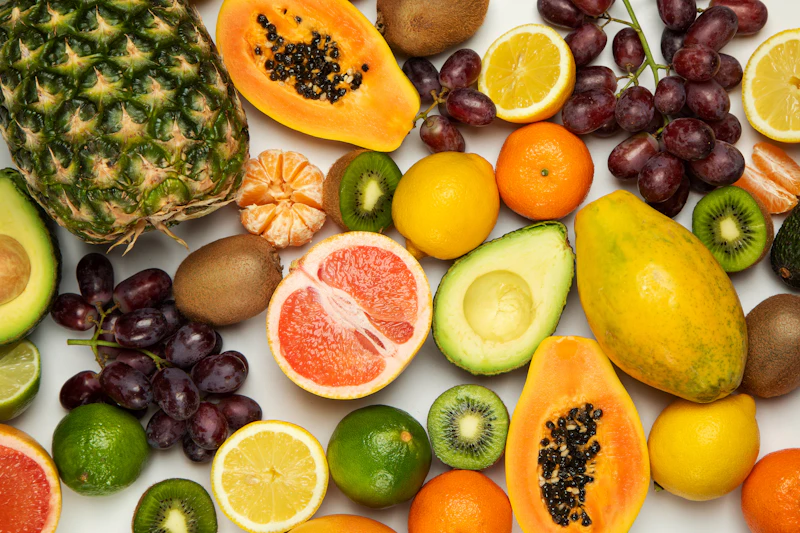
Eating fresh fruits every day can dramatically transform your energy, skin, and long-term health.
Read more