 Health Benefits
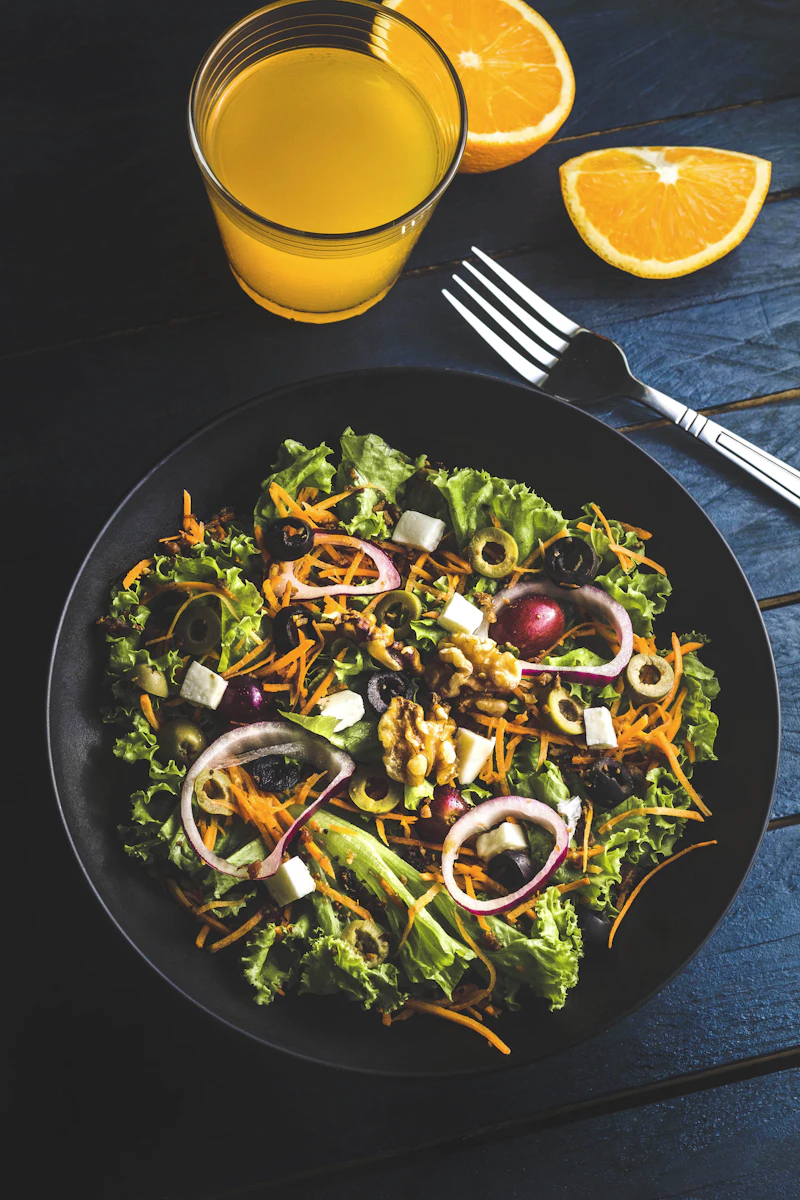
Boosting Immunity with Vitamin C
Why orange, lemon, and grapefruit juices are your best defense against seasonal flu and fatigue.
Read more
Ruby Juice Team
Author
Share this article:
The secret to radiant skin isn't just in your creams — it's in the antioxidants you drink.
The global skincare industry generates over USD 180 billion annually — yet study after study suggests that what you eat has a more profound and lasting effect on your skin than anything you can apply topically. Moisturisers, serums, and SPF are valuable, but they work at the surface of the skin. Nutrition works from the inside, supplying the raw materials your skin cells need to build, repair, and protect themselves.
This is not a fringe or alternative claim. A growing body of dermatological research — published in journals like the British Journal of Dermatology, the Journal of Investigative Dermatology, and Nutrients — confirms that dietary patterns significantly influence skin ageing, acne severity, hydration levels, and inflammatory skin conditions such as eczema and rosacea.
The skin is the body's largest organ — roughly 1.8 square metres in an adult — and it is metabolically active, regenerating its outermost layer every 2 to 4 weeks. This rapid cell turnover demands a consistent supply of specific nutrients.
Collagen is the most abundant protein in the human body and the primary structural component of the dermis — the deep layer of skin responsible for its firmness, elasticity, and ability to retain moisture. Starting in your mid-twenties, collagen production declines by approximately 1% per year. By age 50, many people have lost up to 30% of their skin's collagen — a loss that manifests as sagging, deepening wrinkles, and loss of the skin's characteristic "plumpness."
The single most important nutrient for collagen synthesis is vitamin C. It is an essential cofactor for prolyl hydroxylase and lysyl hydroxylase — the two enzymes that stabilise collagen's triple-helix structure. Without adequate vitamin C, collagen molecules cannot form properly, leading to fragile, improperly cross-linked fibres. A landmark study published in the American Journal of Clinical Nutrition analysing dietary data from 4,025 American women found that higher vitamin C intake was significantly associated with lower prevalence of a wrinkled appearance and dry skin.
Guava, papaya, kiwi, citrus, and pineapple are all exceptional sources of vitamin C — and all are central to the cold-pressed juice blends at Ruby Fresh. A single 250 ml glass of cold-pressed tropical fruit juice can deliver more than the entire recommended daily intake of vitamin C, keeping collagen synthesis running at full capacity.
UV radiation, air pollution, cigarette smoke, and the body's own metabolic processes constantly generate free radicals — unstable oxygen molecules that attack skin cell membranes, damage DNA, and degrade collagen fibres. This process, called oxidative stress, is the primary driver of photoageing (sun-induced skin damage) and contributes significantly to inflammatory skin conditions.
Antioxidants neutralise free radicals, interrupting the chain of oxidative damage before it reaches skin cells. The most skin-relevant antioxidants found in fresh fruit juices include:
**Beta-carotene (Mango, Papaya, Carrot):** Converted to vitamin A in the body, beta-carotene concentrates in the skin and acts as an endogenous photoprotectant — helping to filter UV radiation and reduce the inflammatory damage it causes. Research published in Photochemistry and Photobiology found that oral beta-carotene supplementation provided measurable protection against UV-induced skin damage.
**Lycopene (Watermelon, Tomato, Guava):** A carotenoid with exceptional antioxidant potency — approximately twice that of beta-carotene. Lycopene has been shown to reduce UV-induced erythema (redness) and improve skin texture. A study published in the European Journal of Pharmaceutics and Biopharmaceutics found that participants who consumed lycopene-rich foods regularly had measurably smoother skin and fewer fine lines.
**Anthocyanins (Dragon Fruit, Berries, Purple Grapes):** These dark pigments are among the most powerful antioxidants in the plant kingdom, with documented ability to reduce inflammation, protect against UV damage, and improve microcirculation in skin capillaries — directly improving the flushed, healthy-looking colour associated with radiant skin.
**Vitamin E (Avocado, Mango, Spinach):** Works synergistically with vitamin C, often regenerating spent vitamin C molecules after they have neutralised a free radical. Vitamin E concentrates in the sebaceous glands of the skin and protects sebum from oxidation, preventing the formation of pore-clogging oxidised sebum.
The skin is approximately 64% water, and its appearance is highly sensitive to hydration status. Dehydrated skin loses elasticity, appears dull and rough, and fine lines become more prominent. While drinking plain water is essential, many people find it difficult to consume the recommended 2–3 litres daily.
Cold-pressed juices — which are composed primarily of water from fruits and vegetables — contribute meaningfully to daily fluid intake while simultaneously delivering electrolytes (potassium, magnesium) that help maintain intracellular hydration. Cucumber, celery, and watermelon are among the most hydrating juice ingredients, with water content above 90%.
Research published in Skin Pharmacology and Physiology found that increasing water intake significantly improved skin hydration, density, and thickness in participants who were previously low consumers of fluid.
The relationship between diet and acne is one of the most studied and debated areas of nutritional dermatology. The current scientific consensus, supported by multiple systematic reviews, is that high-glycaemic foods and dairy products are the dietary factors most consistently associated with acne severity.
High-glycaemic foods spike blood sugar, triggering insulin and IGF-1 (insulin-like growth factor 1) responses that stimulate the sebaceous glands to produce excess sebum and increase skin cell proliferation — two of the primary drivers of acne formation. A randomised controlled trial published in the American Journal of Clinical Nutrition found that adolescents with acne who followed a low-glycaemic diet for 12 weeks showed significantly greater reductions in acne lesion counts than the control group.
Cold-pressed vegetable juices — particularly those built around spinach, cucumber, celery, and green apple — are inherently low-glycaemic. They provide vitamins A and zinc, both of which are directly involved in regulating sebum production and skin cell turnover. Zinc supplementation has been shown in multiple studies to be comparable in efficacy to oral tetracycline for acne treatment, without the antibiotic side effects, according to a meta-analysis in Journal of Drugs in Dermatology.
Many of the most common skin conditions — eczema, psoriasis, rosacea, and perioral dermatitis — have a significant inflammatory component. The same anti-inflammatory phytonutrients that reduce systemic inflammation also dampen the inflammatory signals that drive these skin conditions.
Turmeric (curcumin), ginger, and omega-3-rich ingredients all reduce the production of prostaglandins and leukotrienes — inflammatory signalling molecules that contribute to the redness, itching, and barrier disruption characteristic of inflammatory skin conditions. A clinical study published in Phytotherapy Research found that curcumin supplementation significantly improved symptoms of psoriasis and reduced inflammatory markers.
For optimal skin benefits from cold-pressed juice, consistency is more important than volume. Drinking one to two 250 ml bottles daily, sustained over four to eight weeks, produces more visible results than a three-day intensive cleanse.
A morning juice combining carrot, orange, ginger, and turmeric provides beta-carotene, vitamin C, and anti-inflammatory compounds. An afternoon juice of spinach, cucumber, apple, and lemon adds hydration, zinc, folate, and alkalising minerals. Together, they create a comprehensive nutritional foundation for skin health.
At Ruby Fresh, every juice is pressed fresh on the day of delivery — no heat, no preservatives, no compromise on the nutrients your skin depends on.
Ruby Juice offers a variety of cold-pressed juices and fruit cuts to support your healthy lifestyle.
Health BenefitsWhy orange, lemon, and grapefruit juices are your best defense against seasonal flu and fatigue.
Read more
 Health Benefits
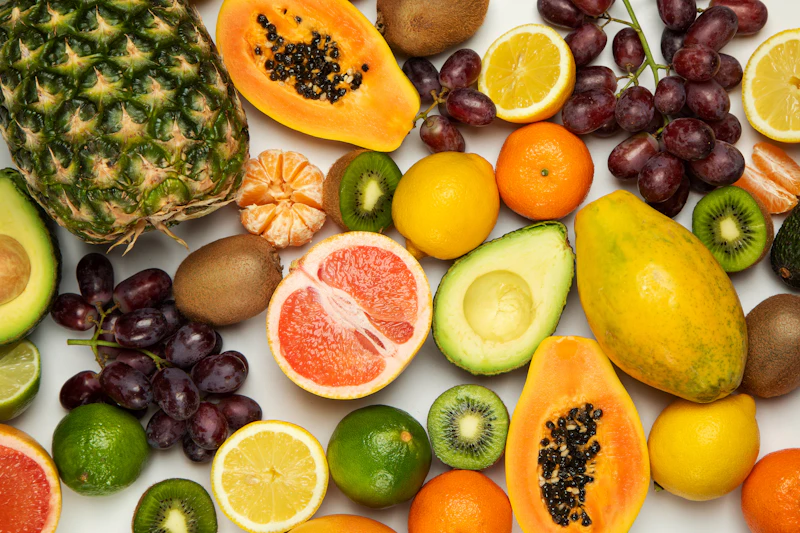
Eating fresh fruits every day can dramatically transform your energy, skin, and long-term health.
Read more